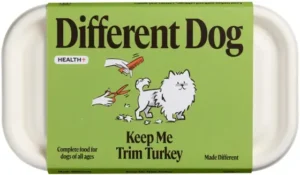
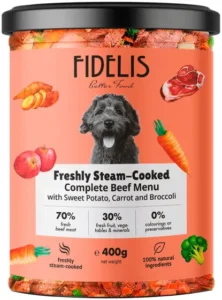
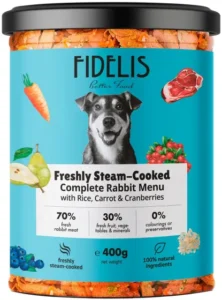
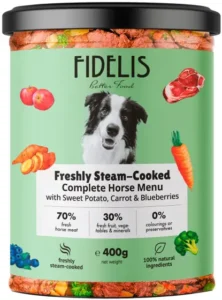
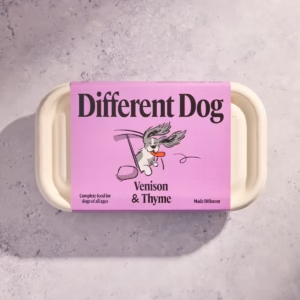
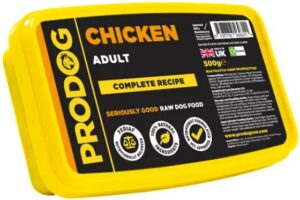
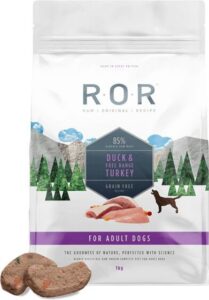
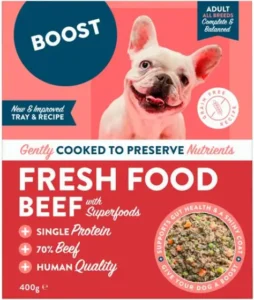
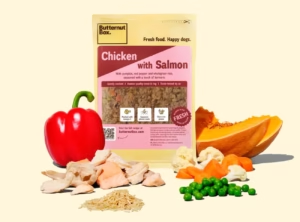
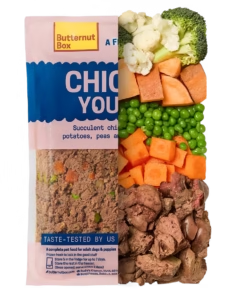
- High meat60% named meat (30% or more counts as high).
- NaturalNo artificial colours, flavours or preservatives.
- Grain-freeMade without any grains.
- HypoallergenicLimited, single-source ingredients - kinder to sensitive dogs.
Senior dog food
Here is the awkward truth about senior dog food: 'senior' has no agreed definition in pet food, so any maker can print it on any bag and decide for themselves what it means. Some senior recipes are thoughtfully adjusted - fewer calories for a slowing metabolism, joint support, easier textures. Others are the adult recipe with a grey-muzzled dog on the front and a higher price. The bag will not tell you which one you are holding; the ingredients list will.
Senior dog food
68.9/100
average ODF Score
- Foods on this list896
- Price per day£0.19 - £10.79
Top score 94/100 - Different Dog Health+ Keep Me Trim Turkey
896 foods
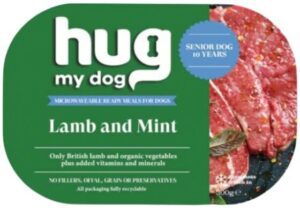
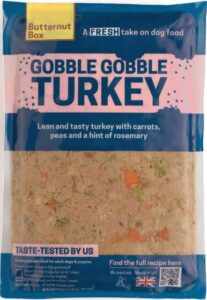
- High meat60% named meat (30% or more counts as high).
- NaturalNo artificial colours, flavours or preservatives.
- Grain-freeMade without any grains.
- HypoallergenicLimited, single-source ingredients - kinder to sensitive dogs.
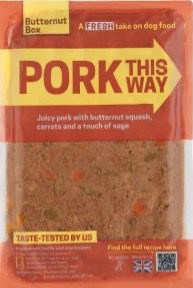
- High meat62% named meat (30% or more counts as high).
- NaturalNo artificial colours, flavours or preservatives.
- Grain-freeMade without any grains.
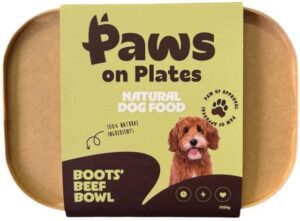
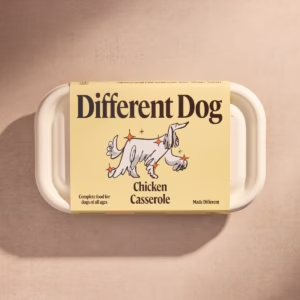
- High meat45% named meat (30% or more counts as high).
- NaturalNo artificial colours, flavours or preservatives.
- Grain-freeMade without any grains.
- High meat85% named meat (30% or more counts as high).
- NaturalNo artificial colours, flavours or preservatives.
- Grain-freeMade without any grains.
- HypoallergenicLimited, single-source ingredients - kinder to sensitive dogs.
- High meat60% named meat (30% or more counts as high).
- NaturalNo artificial colours, flavours or preservatives.
- Grain-freeMade without any grains.
- HypoallergenicLimited, single-source ingredients - kinder to sensitive dogs.
- High meat60% named meat (30% or more counts as high).
- NaturalNo artificial colours, flavours or preservatives.
- Grain-freeMade without any grains.
- HypoallergenicLimited, single-source ingredients - kinder to sensitive dogs.
- High meat70% named meat (30% or more counts as high).
- NaturalNo artificial colours, flavours or preservatives.
- Grain-freeMade without any grains.
- HypoallergenicLimited, single-source ingredients - kinder to sensitive dogs.
- High meat70% named meat (30% or more counts as high).
- NaturalNo artificial colours, flavours or preservatives.
- Grain-freeMade without any grains.
- HypoallergenicLimited, single-source ingredients - kinder to sensitive dogs.
- High meat86% named meat (30% or more counts as high).
- NaturalNo artificial colours, flavours or preservatives.
- Grain-freeMade without any grains.
- HypoallergenicLimited, single-source ingredients - kinder to sensitive dogs.
- NaturalNo artificial colours, flavours or preservatives.
- Grain-freeMade without any grains.
- High meat85% named meat (30% or more counts as high).
- NaturalNo artificial colours, flavours or preservatives.
- Grain-freeMade without any grains.
- HypoallergenicLimited, single-source ingredients - kinder to sensitive dogs.
- High meat50% named meat (30% or more counts as high).
- NaturalNo artificial colours, flavours or preservatives.
- Grain-freeMade without any grains.
- High meat47% named meat (30% or more counts as high).
- NaturalNo artificial colours, flavours or preservatives.
- Grain-freeMade without any grains.
- High meat60% named meat (30% or more counts as high).
- NaturalNo artificial colours, flavours or preservatives.
- Grain-freeMade without any grains.
- HypoallergenicLimited, single-source ingredients - kinder to sensitive dogs.
- High meat60% named meat (30% or more counts as high).
- NaturalNo artificial colours, flavours or preservatives.
- High meat60% named meat (30% or more counts as high).
- NaturalNo artificial colours, flavours or preservatives.
- Grain-freeMade without any grains.
- HypoallergenicLimited, single-source ingredients - kinder to sensitive dogs.
- High meat60% named meat (30% or more counts as high).
- NaturalNo artificial colours, flavours or preservatives.
- Grain-freeMade without any grains.
- HypoallergenicLimited, single-source ingredients - kinder to sensitive dogs.
- High meat80% named meat (30% or more counts as high).
- NaturalNo artificial colours, flavours or preservatives.
- Grain-freeMade without any grains.
- High meat60% named meat (30% or more counts as high).
- NaturalNo artificial colours, flavours or preservatives.
- Grain-freeMade without any grains.
- High meat63% named meat (30% or more counts as high).
- NaturalNo artificial colours, flavours or preservatives.
- Grain-freeMade without any grains.
- High meat40.4% named meat (30% or more counts as high).
- NaturalNo artificial colours, flavours or preservatives.
- Grain-freeMade without any grains.
- High meat43% named meat (30% or more counts as high).
- NaturalNo artificial colours, flavours or preservatives.
What older dogs tend to need is fewer calories and just as much good-quality protein - the old idea that ageing dogs should be moved onto low-protein diets has largely been retired for healthy dogs. Joint-support additions like glucosamine are common in this category, though the amounts included vary enormously from brand to brand.
Because appetite, weight, teeth and organ function all change with age at different rates, this is a category where a vet's input genuinely earns its keep. This is label analysis, not veterinary advice. If your dog has a health condition, talk to your vet before switching foods. Every senior food below is scored /100, breakdown included.

Senior dog food FAQs
When is a dog considered senior?
There is no fixed line - it tracks size more than birthdays. Large and giant breeds age faster and may be functionally senior around six or seven, while small breeds often reach a similar stage years later. Treat 'senior' as a description of the individual dog - weight, mobility, teeth, energy - not a birthday that triggers a food change.
Do senior dogs need less protein?
For healthy older dogs, no - that advice has largely been retired. Ageing dogs generally benefit from good-quality protein to help hold muscle, and cutting it without a medical reason can work against them. Dogs with diagnosed kidney disease are a different conversation, and one for your vet. Protein quality matters more than shaving the quantity.
Is senior dog food worth it?
Sometimes. The good senior recipes make real adjustments - fewer calories, joint support, more digestible ingredients. Others are the adult food in new packaging with a mark-up, and 'senior' has no fixed definition to stop that. Compare the senior recipe's ingredients and calories against the same brand's adult version; if you cannot find a difference, there may not be one.
What should I feed an old dog who is losing weight?
See a vet before changing food - unplanned weight loss in an older dog needs a cause found, not just calories added. Once anything medical is ruled out or being managed, palatable and energy-dense options (wet food, fresh-cooked, or toppers on kibble) can help an older appetite along. Your vet can set a target condition to feed towards.
Related guides
Go deeper on the topics behind this page.
How to switch your dog’s food without upsetting their stomachThe 7-day transition, what normal looks like on day three, and when to stop. Most "this food upset my dog" is actually a rushed changeover.Read the guide
Puppy feeding guide: how much, how often, and when to switchHow much to feed a puppy, how often, when to move to adult food - and the one mistake that can permanently damage a large-breed dog.Read the guide
How much does it really cost to feed a dog?The gap between the cheapest and priciest way to feed the same dog is 72x - and 62 foods score 80+ for under a pound a day. The real numbers.Read the guide
Is grain-free dog food bad for dogs?Grain-free scores better in our data - but not for the reason the packaging implies. The DCM question, the price confound, and who it is actually for.Read the guide