
Why is my dog a fussy eater? (And how to fix it)
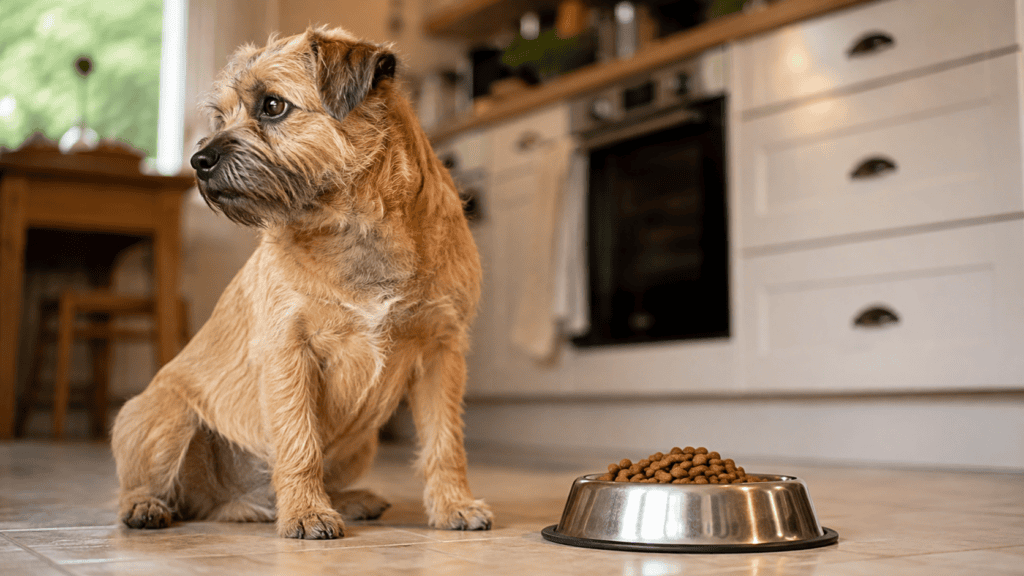
The dog that turns its nose up at a perfectly good dinner, waits, and gets something better is not being difficult. It is being an excellent learner. Somewhere along the line the household taught it that holding out works, and it has been running that strategy ever since.
First: is this actually fussiness?
Three things masquerade as it, and all three are worth eliminating before you spend a penny on new food.
Pain or illness
A dog that was previously keen and has suddenly gone off food is a medical question until proven otherwise. Dental disease is the classic - eating hurts, so they eat less, or they eat only the soft parts. Nausea, kidney disease, pancreatitis and a long list of other conditions all show up first as a dog that has gone quiet about dinner.
Overfeeding
This is the commonest and most-missed explanation. Pack feeding guides are written generously, and once you add treats, chews and the odd bit of toast, plenty of dogs are simply meeting their needs before the bowl is empty.
A dog leaving a quarter of its dinner while holding a healthy weight is not fussy. It is full. Check the portion with our feeding calculator before concluding anything else, and count the treats honestly - 10 to 20% of daily calories is normal and almost nobody tracks it.
Age and season
Appetite naturally dips in hot weather, and older dogs need fewer calories than they did. Both look like fussiness and neither is.
How fussiness is actually taught
The mechanism is unglamorous and almost universal:
- Dog does not eat dinner.
- Owner worries, and adds something tasty on top.
- Dog eats.
- Dog learns that not eating produces a better dinner.
- Dog waits longer next time.
- Topper escalates.
Nobody involved is behaving unreasonably. The dog is optimising; the owner is being kind. But the loop only runs in one direction, and after a few months you are hand-warming chicken at seven in the morning.
Free-feeding - leaving food down all day - has the same effect by a different route. Food that is always available is worth nothing, and it also makes it impossible to notice the day your dog genuinely stops eating.
The reset
Assuming your vet has ruled out anything medical and the portion is right:
- Fixed mealtimes. Twice a day, roughly the same times.
- Down for 15-20 minutes, then lifted - eaten or not, calmly and without comment.
- Nothing else until the next meal. No treats, no scraps, no toppers offered in response to a refusal.
- Same food at the next meal. Do not rotate; that is the loop again in a new coat.
- Hold for a few days. Most healthy dogs settle within two to four.
It feels unkind on day one. A healthy adult dog skipping a meal or two is in no danger whatsoever, and the alternative is a lifetime of escalating negotiation.
Practical things that genuinely help
- Warm it slightly. Body temperature releases aroma, and dogs eat with their nose first. Ten seconds is plenty - check it is not hot.
- Feed after exercise, not before. Appetite follows activity.
- Try a different bowl. Deep narrow bowls press on whiskers, which some dogs genuinely dislike. A flat plate is a free experiment.
- Feed somewhere calm. A dog that guards or feels watched may simply be waiting for you to leave.
- Mix toppers in, do not add them on. If you use one, stir it through the whole bowl so there is nothing to pick out - and add it at the start, never after a refusal.
Does “fussy eater” food work?
Sometimes, and palatability genuinely does vary between foods. But look at what you are buying.
Foods tagged for fussy eaters score well on our ratings - a median of 81 when we checked in August 2026, comfortably above the catalogue - and cost around £2.33 a day against a catalogue median of £1.16. Roughly double. They are typically wetter, richer, higher in meat and stronger smelling.
In other words, “fussy eater food” is mostly a polite name for premium food. It often works, because it smells better. It also costs twice as much, and it does nothing about the loop that created the problem - which is why so many owners find the new food works brilliantly for three weeks and then stops.
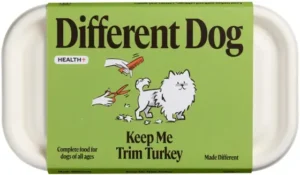
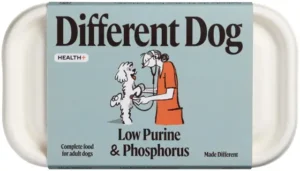
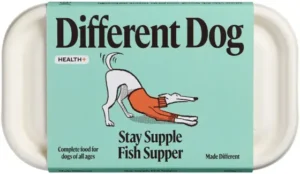
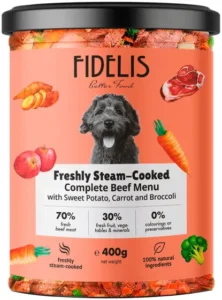
Fix the routine first, because that costs nothing. Then, if you still want a more palatable food, buy one deliberately rather than as a peace offering. These are the current top scorers with the fussy-eater tag - a live list that re-ranks itself as scores change:
If you do change food
Wet food, or dry with wet mixed thoroughly through it, is the reliable palatability upgrade - our wet vs dry guide covers the trade-off, including the cost. Whatever you pick, transition over 7-10 days using the switching guide, or you will add a digestive upset to a feeding problem.
And judge it after the transition, not during. Four to six weeks is a fair trial.
Where to go next
- The best dog food for fussy eaters - top 10, ranked
- Browse every food we tag for fussy eaters
- Check you are not simply overfeeding - the first thing to rule out
Why has my dog suddenly become a fussy eater?
A sudden change in a previously enthusiastic dog is a health question first, not a food question. Dental pain, nausea, and a long list of illnesses all present as going off food. See a vet before you change the diet - especially if there is weight loss, lethargy or vomiting alongside it.
Is my dog fussy or just not hungry?
Check body condition and portion size before assuming fussiness. A dog eating three quarters of a generous ration and holding a healthy weight is not fussy - it is correctly full. Many pack feeding guides are written generously, and treats often add another 10 to 20 percent nobody counts.
Should I add toppers to get my dog to eat?
Occasionally, no harm. Routinely, it usually makes things worse: the dog learns that refusing the base food produces something better, which is a rational response to how we are behaving, not stubbornness. If you use a topper, mix it thoroughly through rather than adding it after a refusal.
How do I reset a fussy eater?
Fixed mealtimes, food down for 15 to 20 minutes, then lifted whether eaten or not, nothing else offered until the next meal, and no treats in between. Most healthy dogs settle within a few days. Never do this with a puppy, a small or underweight dog, or a diabetic dog without veterinary advice.
Do fussy eaters need special food?
Not usually, though palatability genuinely varies. Foods tagged for fussy eaters score well on our ratings but typically cost around double the catalogue's median price per day - you are largely buying stronger smell and richer format. Worth trying, but fix the feeding routine first because it is free.
This is label analysis, not veterinary advice - if your dog has a health condition, talk to your vet before switching foods.