
Hypoallergenic dog food: what it really means
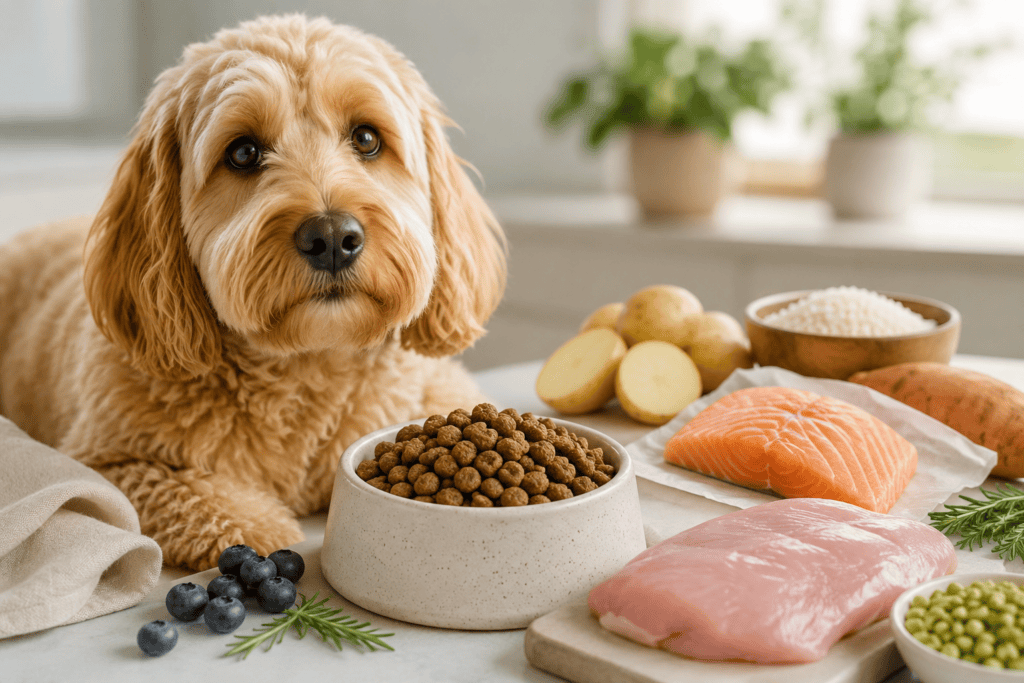
Let us save you some money before we spend any of yours: “hypoallergenic” is a marketing word, not a regulated standard. There is no test a food must pass, no authority checking the claim, and nothing to stop any brand printing it on any bag. A printer is the only qualification required.
That does not make the idea useless - it makes the label the thing to judge. A food worth the word has a single named protein, a short recipe, none of the usual trigger ingredients and a label transparent enough to prove it. Below we rank the foods that carry the claim by how well they back it up, using the same live scores as our best hypoallergenic dog food list and the hypoallergenic directory filter.
What does hypoallergenic actually mean?
In human products the word has a specific feel to it - dermatologically tested, standards, paperwork. In UK dog food it means the brand would like you to think that. Pet food labelling rules govern what counts as an ingredient claim, but “hypoallergenic” itself carries no legal threshold[1].
So we judge the recipe instead of the word. What the claim should mean, and what the good foods on this page actually deliver:
- One named protein source, ideally one your dog has not eaten before
- A short ingredient list - fewer ingredients, fewer suspects
- No dairy and none of the highest-frequency trigger proteins
- A label precise enough that you can verify all of the above
That last point is where most bags fall over, and it is why label clarity is a scored component of our open rating algorithm. You cannot avoid a trigger the label refuses to name.
Allergy or intolerance - and why the difference matters
A true food allergy is an immune reaction: the body decides a protein is an invader and attacks, which shows up as itchy skin, ear infections and gut upset. An intolerance skips the immune system - the food just disagrees, usually loudly and digestively. The symptoms overlap, the treatment differs, and neither can be diagnosed by staring at the dog.
Signs of a food allergy in dogs
What food reactions actually look like, most-common first:
- Itching that ignores the calendar - paws, face, ears, rear end. Pollen allergies come and go with the seasons; food allergies itch in December too.
- Recurrent ear infections - especially the dog whose ears flare up again weeks after every treatment.
- Digestive trouble - soft stools, wind, occasional vomiting, more than the odd off day.
- Paw licking and face rubbing - easy to read as a habit; often skin telling you something.
None of these prove a food reaction - fleas, environment and skin infections cause the same picture, which is why the diagnosis is a process rather than a glance, and why your vet comes first if symptoms are more than mild.
The most common dog food allergens are proteins, not grains
Now the part the marketing does not tell you. The best evidence on confirmed canine food reactions puts proteins at the top of the list - beef, dairy and chicken lead, with wheat well behind them[2]. Grain-free is an answer to a question most allergic dogs are not asking.BeefNamed fresh beef - a strong, clearly declared protein.ChickenNamed fresh chicken - digestible, lean and exactly what a label should say.MilkDairy - many adult dogs handle lactose poorly, which is why it is rare in good recipes.
If your dog’s issue is digestive rather than itchy, start with our sensitive stomach guide - a delicate gut and a food allergy get mistaken for each other constantly.
The elimination diet: the only test that actually works
Here is the annoying truth about finding a trigger: there is no shortcut. The gold standard is an elimination diet run with your vet - around eight weeks on a single novel protein and nothing else, then controlled reintroduction while you watch for a reaction. Not one sausage, not one dropped chip, or the clock restarts.
Hydrolysed and clinical diets
For genuinely stubborn cases, vets may reach for a hydrolysed clinical diet, where the protein is broken into pieces too small for the immune system to recognise. Those are diagnostic tools used under veterinary supervision - we explain them, but we never score clinical diets:Hydrolysed animal proteins (unspecified)Animal protein broken down into small fragments, species unspecified.SalmonNamed fresh salmon - quality protein plus naturally occurring omega-3s.Insect proteinFarmed insect protein - digestible, sustainable and hypoallergenic for most dogs.Meat and animal derivativesThe vaguest term on any UK label - it can mean almost any animal part from almost any species, and the recipe can change batch to batch.
Our guide on how to read a dog food label walks through every one of these tricks with worked examples.
The best hypoallergenic dog foods, ranked live
The table below is a live query, not a listicle that quietly expired. It covers every food we have rated that carries a hypoallergenic claim, scoring at least 60/100, ranked by our open score - which means the foods whose labels actually support the claim rise, and the ones relying on the word alone sink.
| Rank | Food | Type | ODF Score | Per day |
|---|---|---|---|---|
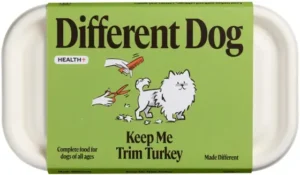
| 1 | Different DogDifferent Dog Health+ Keep Me Trim Turkey | Fresh-cooked | 94/100 | £4.83 approx. |
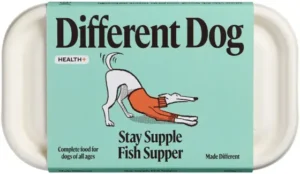
| 2 | Different DogDifferent Dog Health+ Stay Supple Fish Supper | Fresh-cooked | 94/100 | £5.28 approx. |
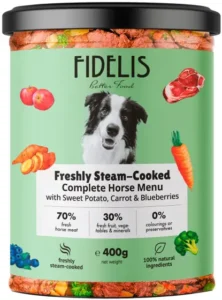
| 3 | FidelisFidelis Fresh Menu (novel protein recipes) | Fresh-cooked | 94/100 | £4.62 approx. |
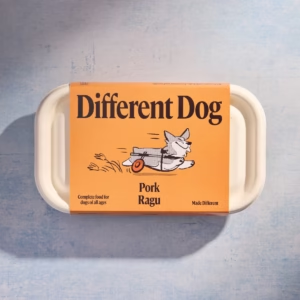
| 4 | Different DogDifferent Dog Pork Ragu | Fresh-cooked | 93/100 | Price coming soon |
| 5 | Innocent HoundThe Innocent Hound From The British Countryside Recipes | Air-dried | 93/100 | £5.87 approx. |
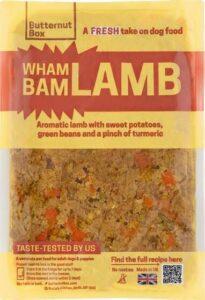
| 6 | Butternut BoxButternut Box Wham Bam Lamb | Fresh-cooked | 92/100 | £1.95 approx. |
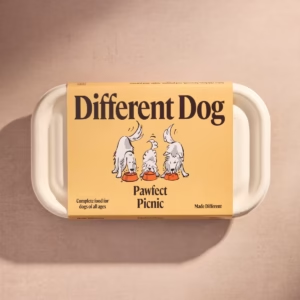
| 7 | Different DogDifferent Dog Pawfect Chicken Picnic | Fresh-cooked | 92/100 | Price coming soon |
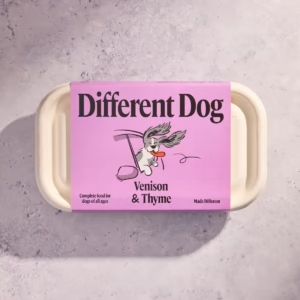
| 8 | Different DogDifferent Dog Venison & Thyme | Fresh-cooked | 92/100 | Price coming soon |
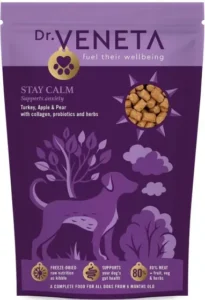
| 9 | Dr VenetaDr Veneta Freeze-Dried Stay Calm | Freeze-dried | 92/100 | £3.16 approx. |
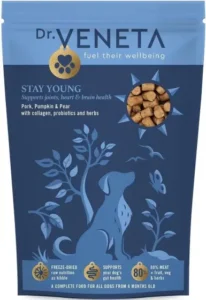
| 10 | Dr VenetaDr Veneta Freeze-Dried Stay Young | Freeze-dried | 92/100 | £2.89 approx. |

Live data - this table updates itself as we rate foods and track prices.
Every food links to its full page: complete ingredient breakdown, every scored component, and the current price per day. Dogs with confirmed allergies should also see the allergy-friendly directory filter, which can exclude specific ingredient families entirely.
Where the claim goes wrong
Three patterns we see over and over when scoring foods that wear the word:
- The claim up front, the categories out back. “Hypoallergenic” on the bag, “meat and animal derivatives” on the label. If the recipe will not name its meat, the claim is decoration.
- The crowd scene. A single novel protein plus eighteen other ingredients is not a limited diet - it is a lottery with better branding.
- Chicken fat confusion. Purified fats carry little protein and rarely trigger reactions, but a genuinely cautious recipe for a chicken-allergic dog avoids the ambiguity altogether. The food page for each product shows exactly what is in there, so you can decide.
None of this means the brands are villains - it means the word is doing work the label should be doing. Our score reads the label so the word cannot bluff its way past you.
One last pattern worth knowing: in our catalogue, every single food that carries a hypoallergenic claim is also grain-free. Not because grain is the enemy - the trigger evidence points at proteins - but because that is how limited-ingredient recipes get built. If your dog needs a simple diet you will end up in grain-free territory by default, and our grain-free guide explains why that is fine.
What is hypoallergenic dog food?
Legally, whatever the brand wants it to be - the term is not regulated. In practice, a food worth the word has a single named protein, a short ingredient list, none of the common trigger ingredients and a label clear enough to verify all of that. We rank the foods that carry the claim by how well their labels back it up.
What are the most common food allergens for dogs?
Proteins, overwhelmingly: beef, dairy and chicken lead the confirmed cases, with wheat some way behind. That surprises people who assume grain is the villain - switching protein sources resolves more suspected food reactions than going grain-free does.
Is hypoallergenic the same as grain-free?
No. Grain-free removes grains and usually replaces them with potato or legumes; hypoallergenic aims to remove common trigger ingredients, and the biggest triggers are meats and dairy, not grain. A grain-free food built on beef is no help at all to a dog with a beef allergy.
Do I need a prescription for hypoallergenic dog food?
Not for the foods on this page - they are ordinary complete foods built on simple recipes. Hydrolysed clinical diets, where the protein is broken down so the immune system cannot recognise it, are a different category used under veterinary supervision, usually for diagnosis. We explain clinical diets but never score them.
What is the best hypoallergenic dog food in the UK?
Our live ranking above answers that better than a static list can: it reorders automatically as we rate new foods and as recipes change. Look for a single named protein your dog has not eaten before, and use the full ingredient breakdown on each food page to check nothing else has snuck in.
Sources
- FEDIAF - Code of good labelling practice for pet food
- BMC Veterinary Research - Common food allergen sources in dogs and cats (critically appraised topic)
This is label analysis, not veterinary advice - if your dog has a health condition, talk to your vet before switching foods.